


DE FELIPE group is an international network of clinics and not all treatments are available at every location. We kindly invite you to contact us to confirm whether the treatment you require is offered at your chosen clinic.
What is Trichology?
The word Trichology comes from the Greek word trikhos, meaning hair.
In a general and broader sense, Trichology is the science that studies the structure, functions, and diseases of human hair and scalp.
In a clinical context, Trichology focuses on the diagnosis and treatment of hair and scalp disorders. Although Trichology does not exist as a medical specialty by itself, it is considered a subspecialty within dermatology.
It focuses on the causes, effects, evaluations, and treatments of diseases of the human hair and scalp. Its objective is to study and understand why someone may be experiencing hair loss or any other disorder of the hair or scalp in order to prevent and treat it.
Who is a trichologist?
A trichologist, or trichology specialist, is a doctor who specializes in hair and scalp problems, studying and treating conditions and diseases that affect these areas.
A trichologist helps patients with problems such as alopecia (hair loss), hair breakage, oily scalp, scalp dermatitis or psoriasis, and any other problem or condition that may affect the scalp or hair. They can also treat problems related to conditions such as alopecia and trichotillomania, the disorder of hair pulling.
Trichologists examine hair and scalp to diagnose and recommend treatments to address the problems and concerns, considering the specific conditions and its severities.
The importance of a Trichological Diagnosis before hair treatment
What kind of treatments does a trichologist perform?
At Dermatology Clinic De Felipe London, we understand that the treatments for alopecia performed by a trichologist can be divided into three main groups:
Trichological diagnostic treatments
These are all the processes, which also involve trichological diagnostic tools, carried out to explore and understand any condition or disorder occurring in the hair or scalp in order to obtain a clear and precise diagnosis of the patient’s current situation.
Trichological prevention treatments
These are all the medical or cosmetic trichology treatments that focus on maintaining the hair and scalp in good condition preventing future problems such as alopecia, dermatitis, oily or dry scalp, or other common conditions. Through prevention treatments, we can improve overall appearance of the hair and scalp, keeping them functioning properly to achieve visibly stronger, denser, shinier, and more hydrated hair, among other benefits.
Hair restoration treatments
These are all trichological treatments performed when a problem or condition affecting the hair or scalp has already been experienced. At dermatology clinic De Felipe London, we understand that any hair concern must be treated from two perspectives:
- Hair treatments that stop hair loss or the concern: The most common are mesotherapy or microinjections with medications such as anti-inflammatory drugs, among others.
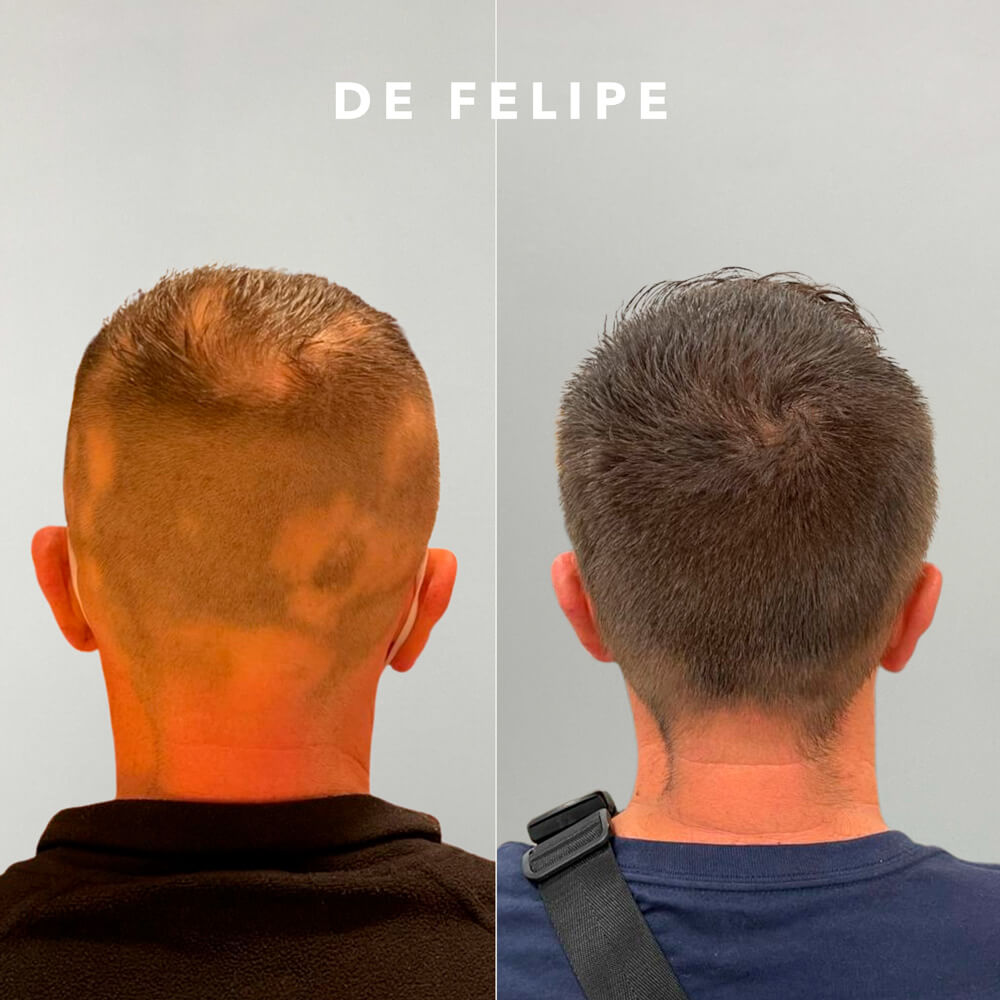
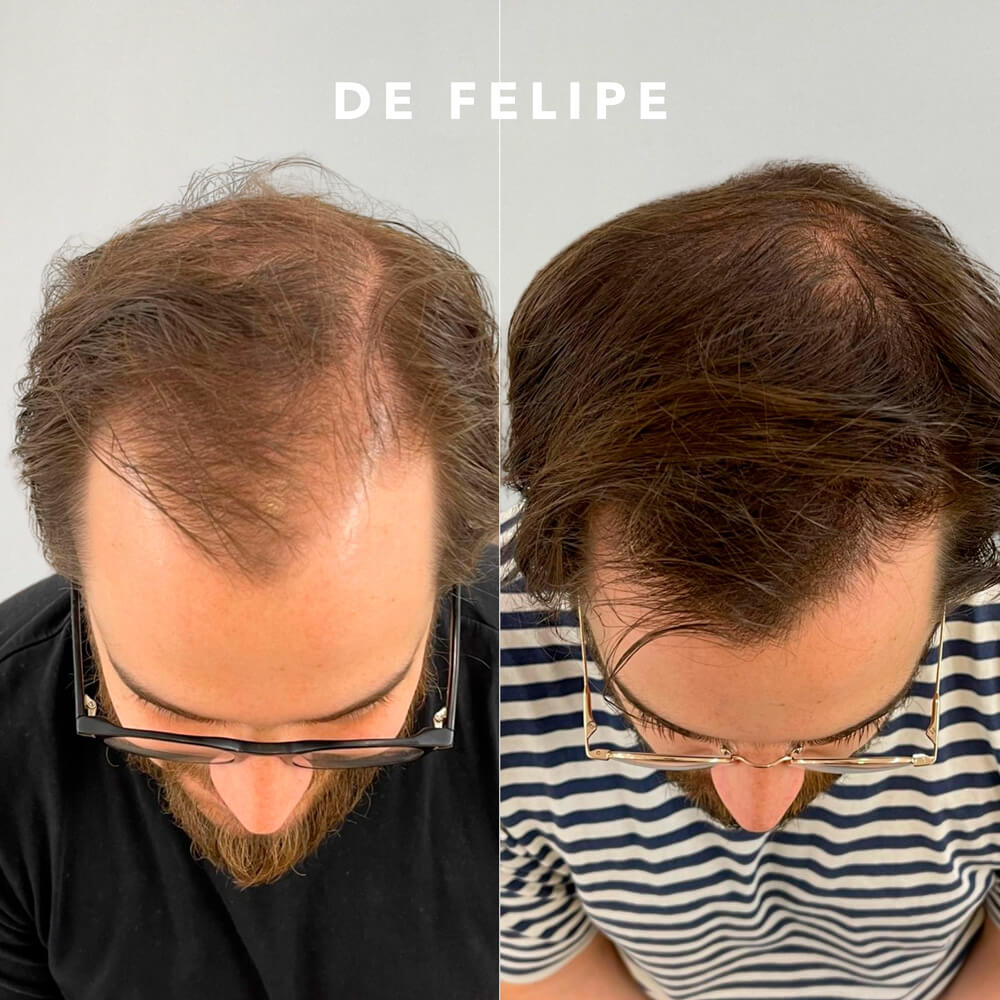
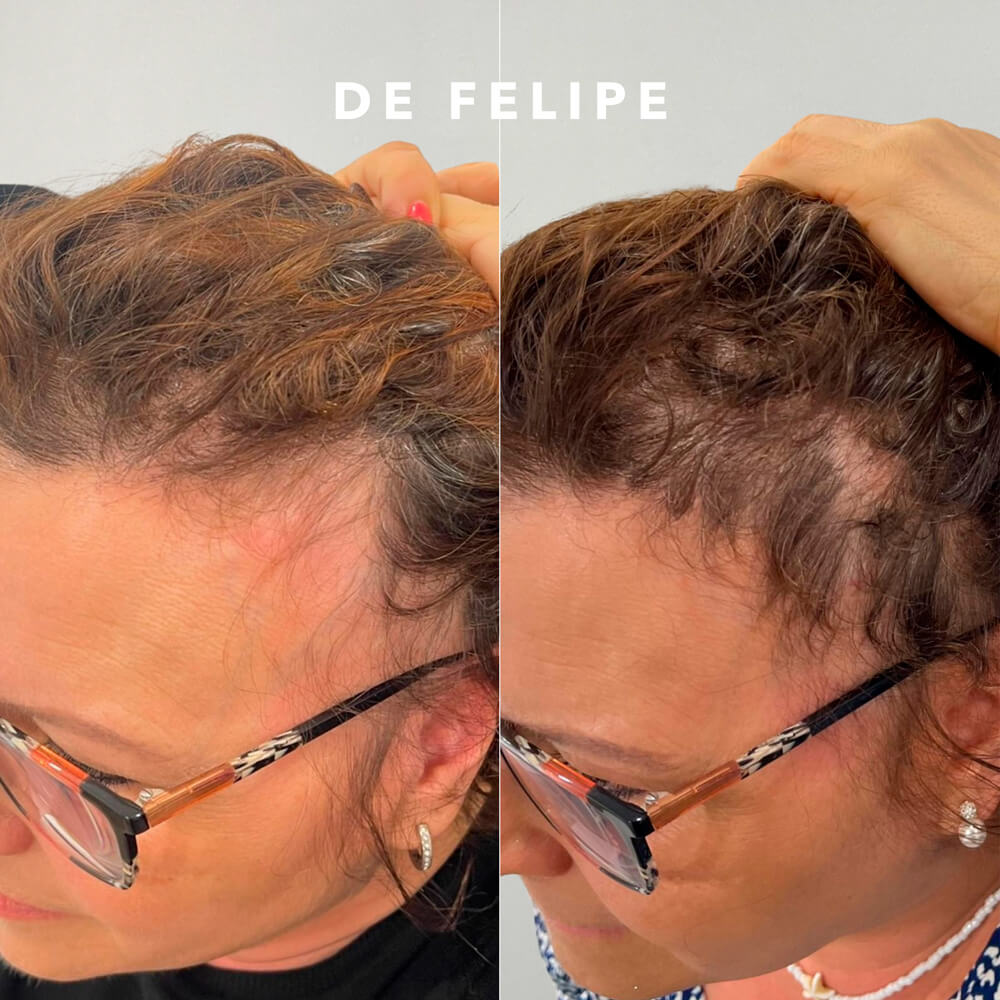
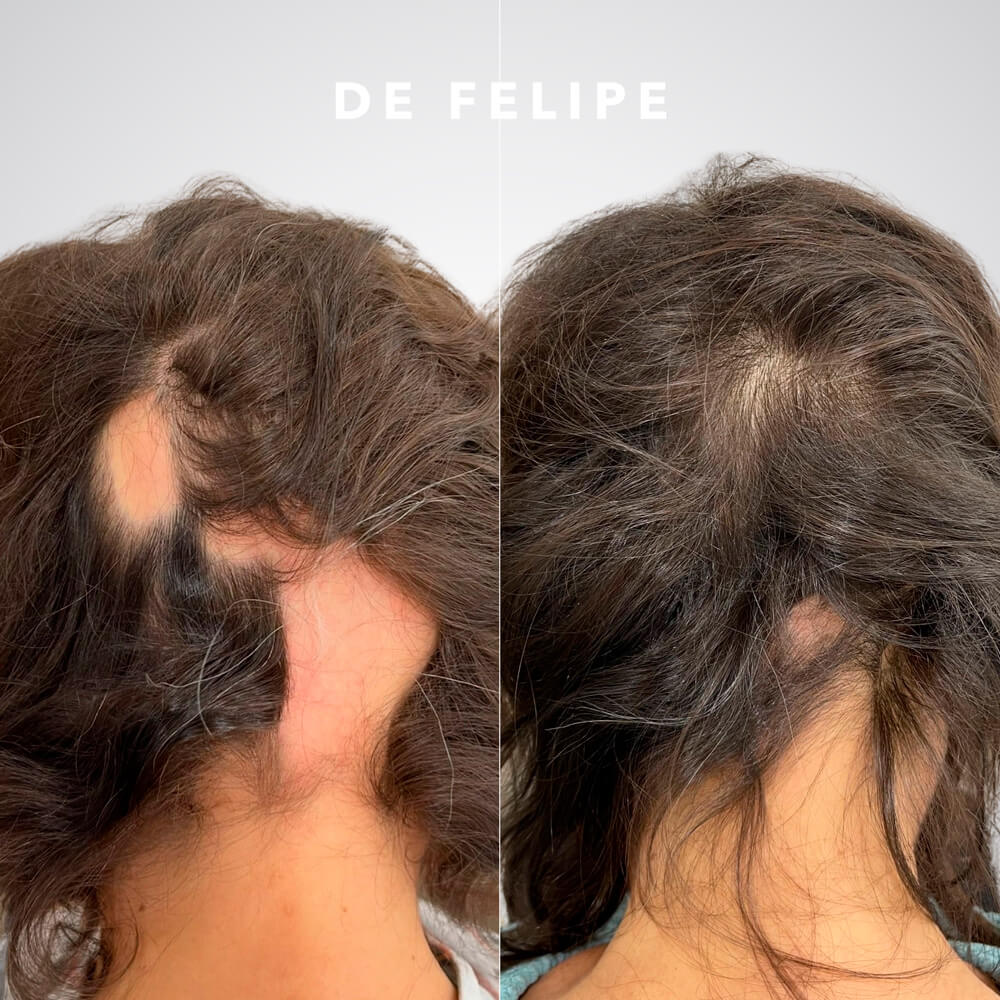
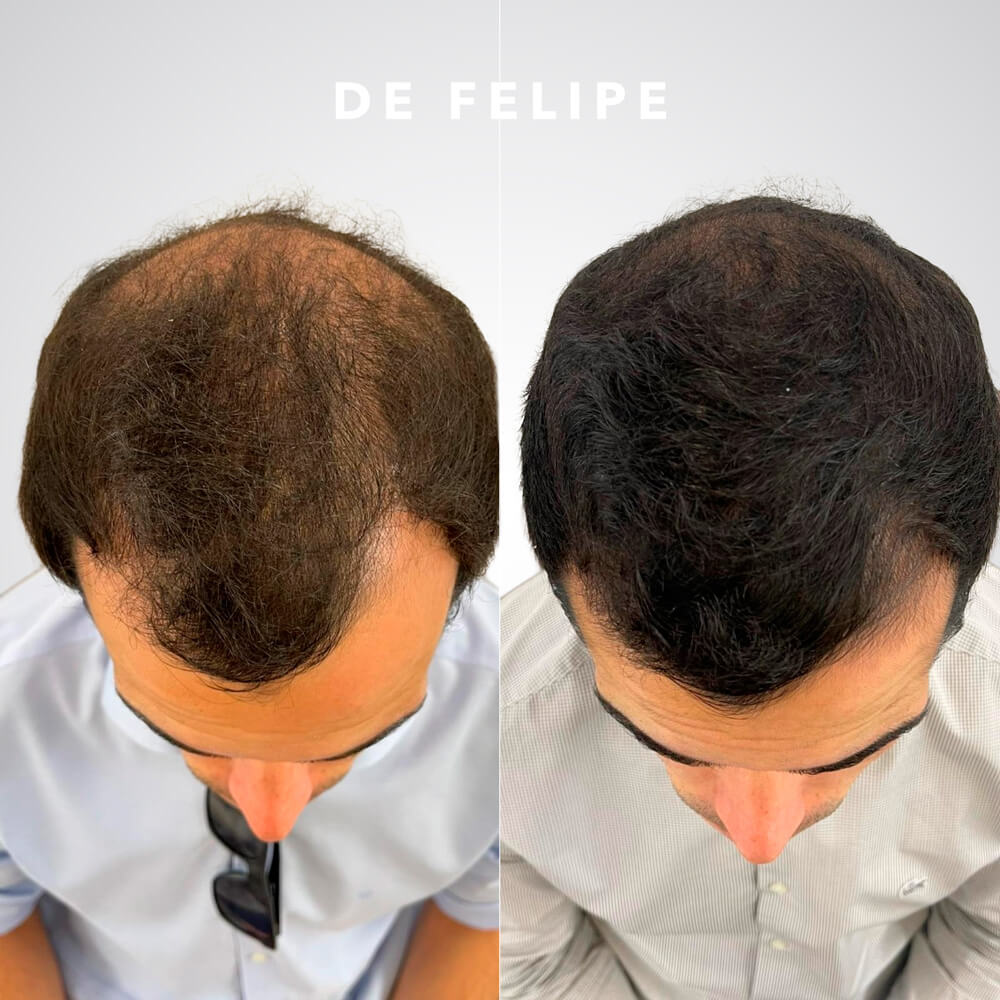
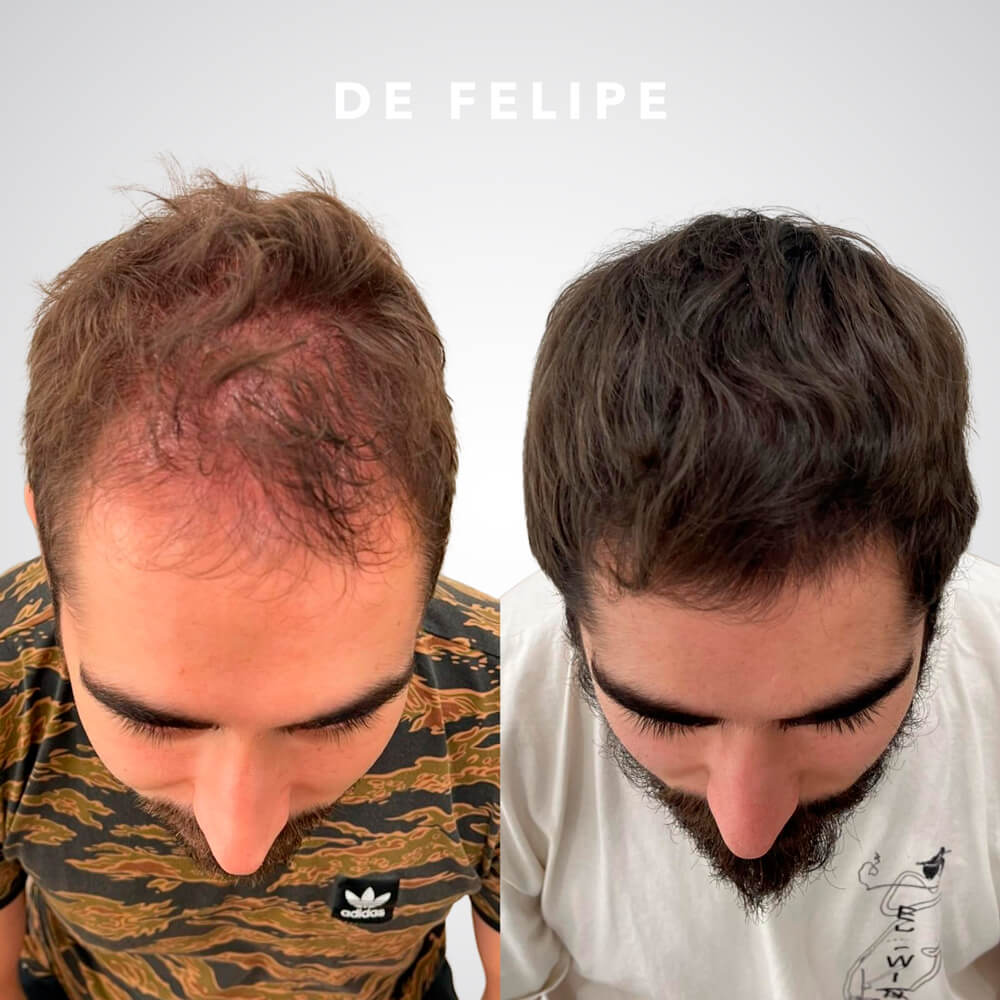
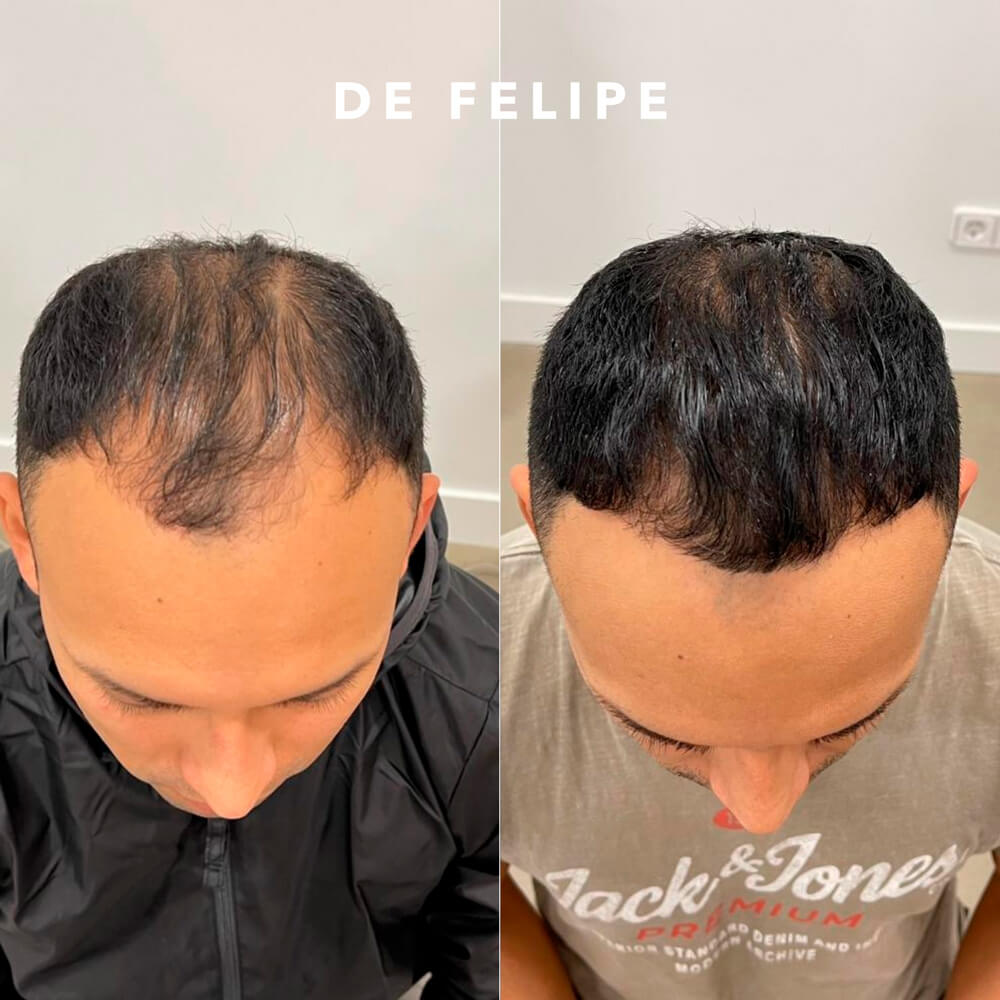
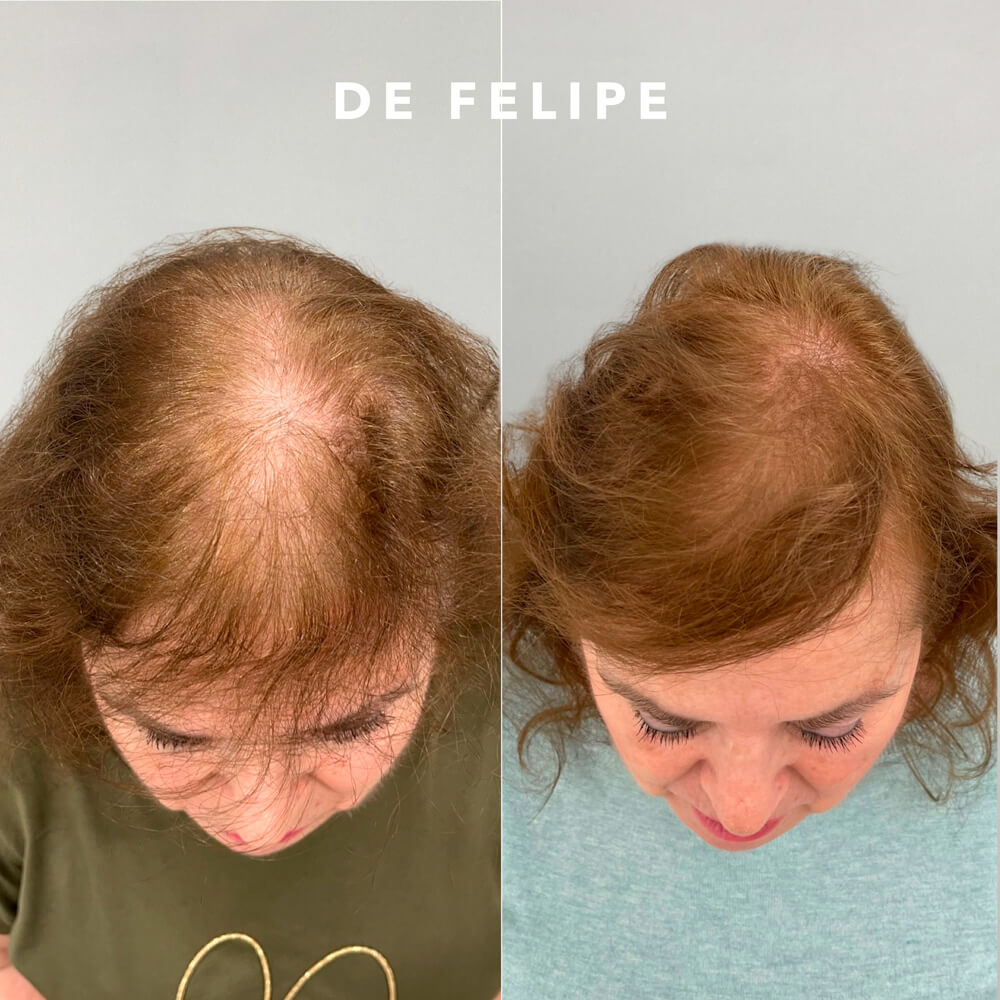
- Hair treatments that stimulate growth: The most common are those that lengthen the hair growth cycle, such as regenerative therapy with Stem Cells or Nano fat, Platelet-Rich Plasma (PRP), microinjections or mesotherapy with Minoxidil, or light or laser therapies such as Photobiological Therapy (LED or low-level laser therapy).
Is a dermatologist the same as a trichologist?
Trichology is not a regulated medical specialty in UK, and there is often some confusion between trichology and dermatology. Dermatologists and trichologists are frequently sought out to help potential patients with hair and scalp problems. However, when looking for either of these professionals, it’s important to understand the differences between their approaches.
The perspective of Trichology
When should I see a trichologist in London?
For preventative care or to maintain the proper function of your hair and scalp, it is advisable to have a trichological check-up once a year. When your hair or scalp presents a problem that causes concern, it will be necessary to see a trichologist as often as the problem or condition requires. These are the most frequent concerns for which you should consult a trichologist:
Trichology Experts in London
Reviews of our trichology clinic in London
At dermatology clinic De Felipe London, the patient is at the center of everything we do. That’s why we value the feedback on reviews of our trichology clinic in London. We read and listen to every review carefully, understand them, and use them to improve our processes, aiming to enhance the patient experience, and achieve better results.
30 years of expertise and over 15,000 patients treated
Experience matters, we know that. At De Felipe Dermatology Clinic, we are incredibly proud to say that, together with our team, we’ve helped more than 15,000 patients over the last 30 years. Throughout this time, we’ve continually refined and adapted our approach to meet the real needs of those we treat and we’re still doing just that every single day, to get closer to what truly matters to you. We’re excited to keep growing and we’d love you to be part of it. We look forward to welcoming you!
Frequently asked questions about Trichology
The most frequently asked questions about Trichology can be found here: