


Many people are surprised when, after treating their spots, they reappear with the arrival of summer, but this does not mean that the treatment has not worked: solar radiation stimulates the melanocytes—the cells responsible for skin colour—promoting the appearance or intensification of skin pigmentation.
During the summer months, we enjoy spending time in the sun, at the pool or beach, playing outdoor sports and socialising with friends. However, to do so safely, it is essential to protect ourselves from ultraviolet (UV) radiation, which penetrates the deeper layers of the skin and activates melanocytes. When overstimulated, they can cause spots to appear and also cause long-term damage.
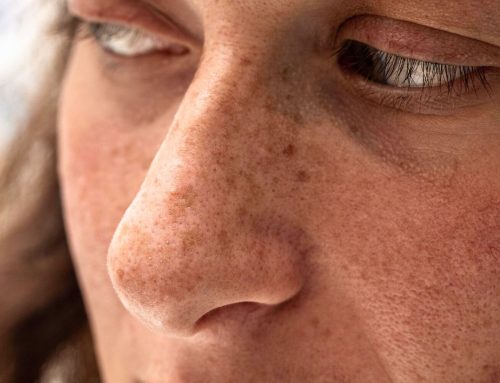
The spots that tend to reappear are melasma (hormonal hyperpigmentation associated with pregnancy or contraceptive use) and solar lentigines (spots caused by sun exposure), which tend to intensify when re-exposed to UV radiation.
Although it can be frustrating to see them return, the key to controlling their development and preventing them from worsening is to maintain regular treatment and protect your skin on a daily basis.
Reasons why sunspots reappear
- Individual factors: Sensitivity to sunlight; genetics; use of certain medications; and hormonal changes.
- Chronic sun damage: Exposure to the sun without adequate protection over the years causes cumulative damage to the skin. Although treatments can remove existing spots, the skin has ‘memory’, which can lead to the reappearance of spots and the appearance of new ones.
- Sun exposure without adequate protection: Even if the sun does not shine directly on the face, exposure of the arms or legs to sunlight can also activate melanocytes in the face. This is why it is essential to apply sunscreen to all exposed areas and reapply it every two hours.
How to prevent sunspots from reappearing
- Use a high-factor, broad-spectrum sunscreen that protects against UVA, UVB, infrared and blue light, and supplement this with hats and appropriate clothing. Remember to reapply sunscreen frequently, even on cloudy days.
- Adopt a maintenance plan and incorporate anti-stain products into your daily routine.
- Niacinamide reduces inflammation and prevents melanin, the pigment responsible for dark spots, from reaching the surface.
- Vitamin C is an antioxidant that lightens existing dark spots and inhibits the production of new melanin.
- Retinol and its derivatives stimulate cell renewal to improve skin texture and uneven skin tone.
Supervised clinical depigmentation treatment:
- Hydroquinone, which is found in commercial products and compounded formulations, inhibits melanin formation.
- Tranexamic acid is an active ingredient that can be applied topically or administered orally, and produces excellent results.
- Chemical peels performed in the clinic help to eliminate spots, even out skin tone and improve skin texture.
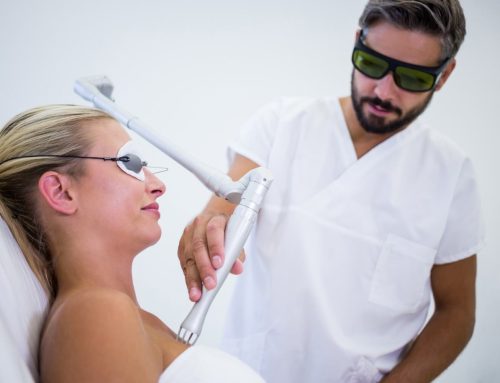
- Laser or intense pulsed light (IPL). These offer very good results in the treatment of solar lentigines, although the number of sessions required depends on the number and intensity of the spots.
- A more careful and personalised approach is required for melasma. This usually begins with a home depigmentation treatment, which can be complemented with laser technology in selected situations.
Although treatments help to lighten spots, they often reappear if proper habits are not maintained. Daily sun protection, constant reapplication of sunscreen and the use of depigmenting agents are key to prolonging the results.
As every skin type is different, it is important to tailor your skincare routine to your needs and consult a dermatologist if necessary. In addition, a balanced diet rich in antioxidants can promote overall skin health.