


For many years, acne was thought to be a condition that only affected teenagers. However, more and more adults — especially women — are now seeking medical advice due to persistent acne breakouts that do not resolve on their own.
In this article, we explain why adult acne occurs, how it differs from teenage acne, and how it can be effectively treated with dermatological support.
What is adult acne and why does it occur?
Adult acne is a form of acne that appears or persists after the age of 30. It can affect individuals who never experienced acne during adolescence, as well as those in whom acne reappears after years of clear skin.
The causes are not always obvious and are usually multifactorial. Rather than depending on a single trigger, several factors may contribute to its development:
- Hormonal changes (such as the menstrual cycle, polycystic ovary syndrome or menopause)
- Chronic stress, which is associated with increased cortisol levels
- Inappropriate skincare routines that may disrupt the skin barrier, clog sebaceous glands or increase oil production
- Diet-related factors: refined sugars, processed foods and certain dairy products may contribute to the development of acne lesions
What are the most common mistakes when dealing with adult acne?
In adult acne, it is common for patients to assume that it is a temporary issue that will resolve on its own. Many find it difficult to accept that a condition typically associated with adolescence can appear after the age of 30, and that it may not disappear without treatment.
As a result, many people try to manage it using cosmetic products, home routines or advice found online. However, adult acne requires a medical and individualised approach.
The most common mistakes include:
- Using overly aggressive products that dry out or irritate the skin
- Stopping treatment too early once improvement is seen, leading to relapse
- Applying comedogenic oils or creams without realising
- Not consulting a dermatologist, assuming it will “go away on its own”
- Self-medicating with antibiotics or topical treatments that have not been prescribed by a specialist
Effective dermatological treatments for adult acne
Adult acne can be treated, and the most appropriate approach is a dermatological one. As mentioned, adult acne has multiple underlying causes, so treatment often involves combining different therapies to achieve effective and long-lasting results.
1. Lifestyle modifications
- Following a balanced diet low in refined sugars, dairy and processed foods
- Managing stress levels to reduce cortisol
- Carrying out appropriate blood tests to rule out hormonal imbalances
2. Treatments to reduce sebaceous gland activity
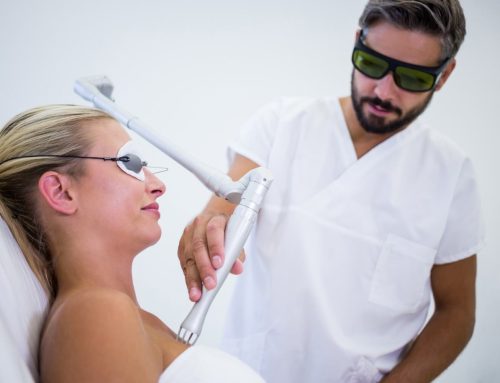
- Dermatological lasers such as Prodeep 1340 nm
- Oral sebum-regulating treatments and/or topical retinoids under dermatological prescription
- Anti-androgen treatments under medical supervision
- Fractional radiofrequency with microneedling
- Supplements such as zinc, probiotics or antioxidants under medical guidance
3. Therapies to reduce pore blockage
- Medical-grade chemical peels or microdermabrasion
- At-home skincare products containing keratolytic agents or physical exfoliants
4. Treatments targeting bacterial activity
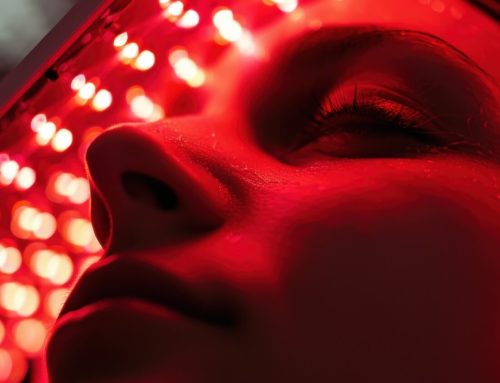
- Blue light therapies, such as photobiomodulation
- Oral or topical antibiotics prescribed by a dermatologist
There is no single effective treatment for adult acne. Under dermatological supervision, different therapies can be combined to help achieve long-term control.
Adult acne is not only a cosmetic concern but a dermatological condition that can affect self-esteem and lead to scarring if not treated appropriately.
An accurate diagnosis and a personalised treatment plan make all the difference.